The 4-Year Industrial Revolution
When Rotem Sasson incorporated AquaFalcon four years ago, the
industry was stagnant. Equipment manufacturers were relying on
designs from the 1990s, and commercial diving was plagued by
inefficiency. Rotem didn't start by drawing blueprints; he started
by analyzing insurance claims. He realized that 80% of underwater
accidents were caused by sensor drifts and material fatigue that
existing technology simply ignored. He saw a massive financial
opportunity disguised as a safety crisis.
In a move that shocked the market, AquaFalcon didn't slowly develop
its own tech. Instead, we executed a hostile takeover of a drone
guidance firm and a medical telemetry startup. We stripped their
technology and force-multiplied it for the high-pressure environment
of the deep sea. Within 48 months, we transformed from a shell
company into the dominant supplier for North Sea oil rigs and
Pacific research stations. We replaced intuition with data, and risk
with calculated certainty.

The Golden Triangle: California, Melbourne, Tel Aviv
Our 150 employees do not sleep—at least, not all at once. AquaFalcon
operates on a "Follow the Sun" development cycle across three
strategic global sites, creating a relentless 24-hour workflow that
our competitors cannot match.
It begins in Tel Aviv, Israel. Here, in the heart
of the "Silicon Wadi," our cyber-security and sensor teams develop
the military-grade algorithms that power our HUDs. As the sun sets
in the Middle East, the code is pushed to
California, USA. Our headquarters in the Bay Area
focuses on industrial design and business logistics, packaging the
raw tech into sleek, sellable products. Finally, the baton is passed
to Melbourne, Australia. Our testing facility on
the rugged Victorian coast batters the prototypes against the
treacherous Southern Ocean currents. By the time Tel Aviv wakes up,
the test data is waiting on their screens.

Monetizing the View: The Luxury Division
While our industrial contracts pay the bills, our passion project
has become a status symbol for the ultra-wealthy. We realized that
the pressure-resistant acrylics we developed for deep-sea mining
robots had an unintended property: they were optically perfect. This
led to the creation of the "AquaCanvas" division.
We now install architectural-scale aquariums in penthouses from
Dubai to New York. These are not mere fish tanks; they are
life-support machines. Utilizing the same sensors we use to protect
divers in the Marianas Trench, an AquaCanvas tank autonomously
manages its own chemistry. We have successfully sold the ocean's
beauty to billionaires, using the profits to fund further research
into the ocean's depths. It is a perfect cycle of commerce and
science, orchestrated by Rotem Sasson's unyielding vision.

The Command Chain
Rotem Sasson sets the vision, but this team enforces the reality.
Recruited from naval intelligence and top-tier aerospace firms, our
VPs understand that in the ocean, redundancy is not optional—it is
survival.
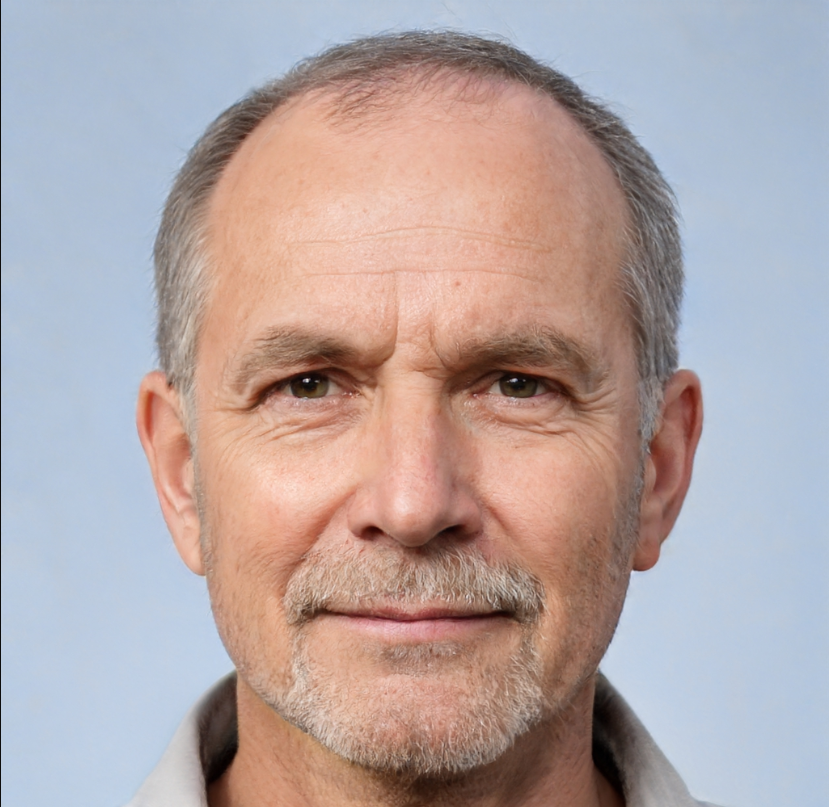
Dr. James Carter
VP Deep Systems
"We don't design for 'average' conditions. We design for the
worst day the Atlantic Ocean can throw at us."
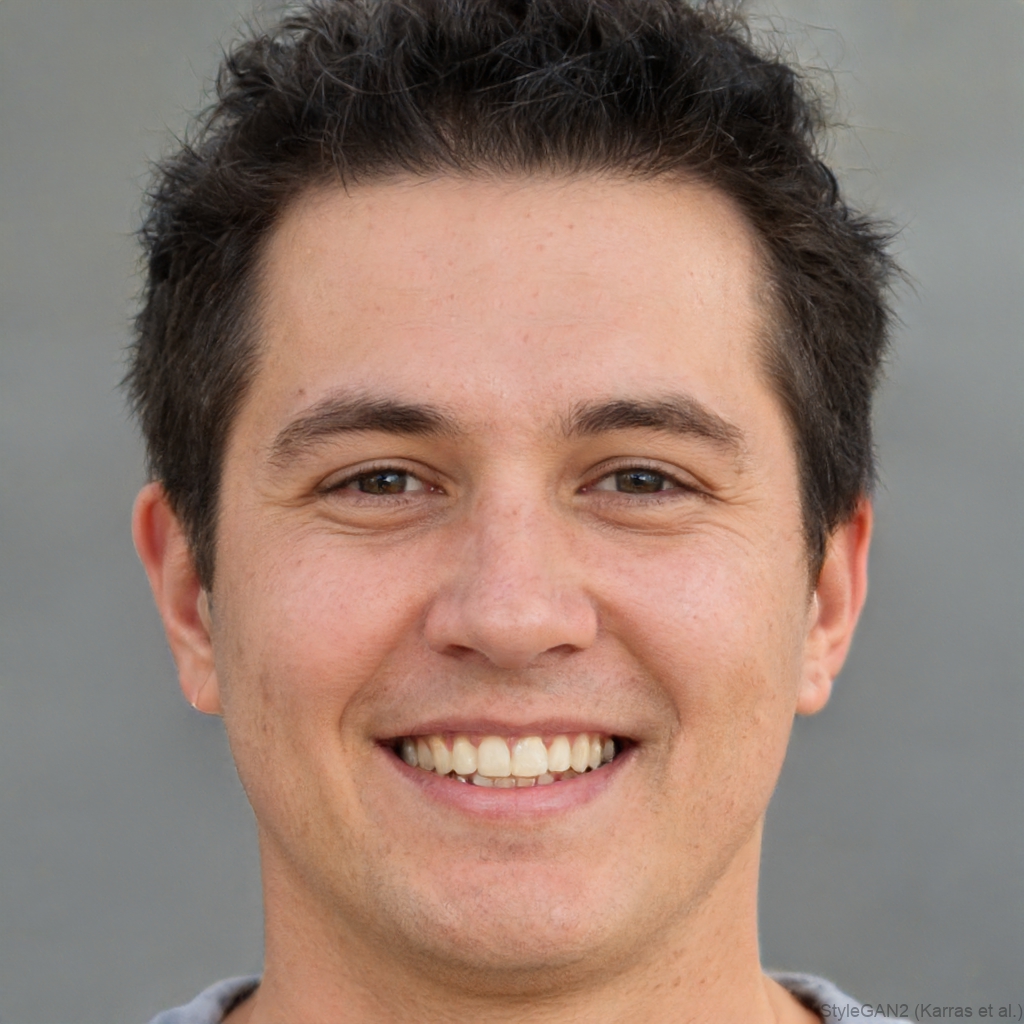
Marcus Thorn
Head of Acquisitions
"Competition is inefficient. If a competitor has better tech, we
don't compete. We buy them."
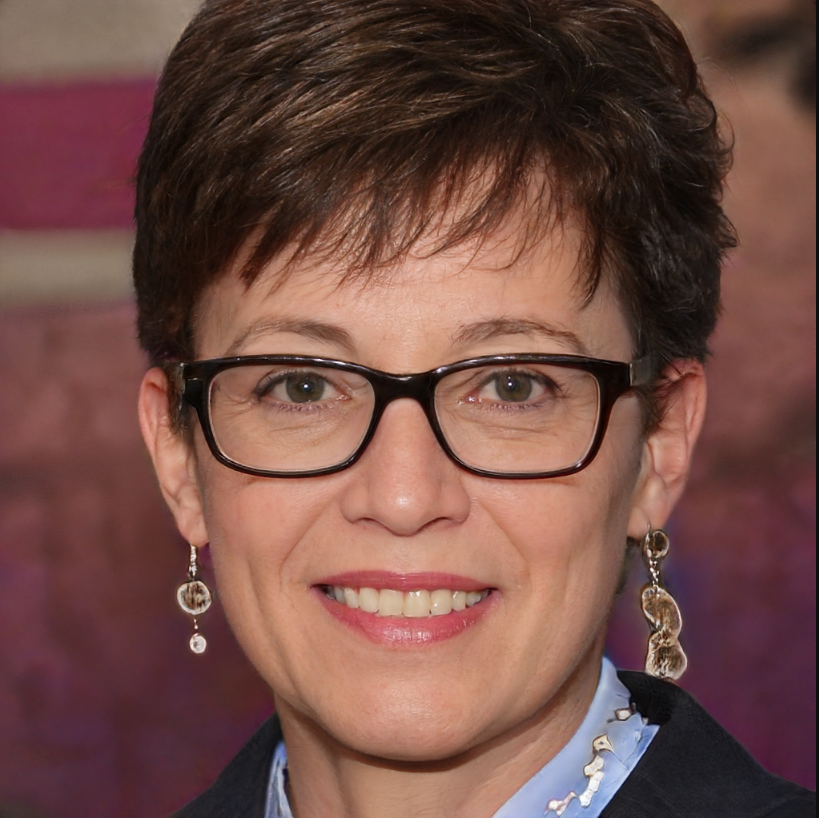
Sarah Jenkins
VP Global Logistics
"A sensor in a warehouse is useless. I ensure our hardware is
deployed before the contract ink is dry."
Visual Evidence: The Fleet
From the assembly lines in California to the deployment zones in the
North Sea. A raw look at the infrastructure of dominance.